
Beleaguered Meati's Equipment Sold For Pennies
Meati Foods raised $450 million to grow mycelium-based steak and chicken alternatives in Colorado. This month, AgFunderNews reported that the 12 fermentation tanks at the core of that operation sold for $75,000, which works out to roughly 25 cents per liter of capacity. The buyers, Boston-based Ayana Bio and Bengaluru-based Zenfold Sustainable Technologies, plan to take the tanks apart, ship them to India, and fill them with plant cells instead of fungus.
Ayana CEO Frank Jaksch told Green Queen he estimates Meati spent $15 million to $20 million on the fermentation equipment, though he doesn't know the exact figure. Against that estimate, the tanks sold for half a cent or less on the dollar. For founders building fermentation and ingredient companies, the deal puts a public price on capacity that venture money paid for. Large bioreactors have been hard to find, yet Meati's sat through a spring auction in Colorado without a buyer and only found one when Ayana and Zenfold offered to move them to India.

Ayana Bio CEO Frank Jaksch
The tanks outlasted the plant
Meati entered an Assignment for the Benefit of Creditors, an alternative to bankruptcy, in May 2025. A December 23 distraint warrant later directed the Adams County treasurer to seize and auction goods and equipment at its Thornton, Colorado facility to cover about $6.7 million in unpaid property taxes and interest. When the plant's physical assets went to auction this spring, the core fermentation equipment, 12 tanks of 25,000 liters each plus their seed trains, failed to sell.
Ayana, a 2021 spinout of Ginkgo Bioworks that launched with $30 million in Series A funding, learned in July that most of the equipment was still available. It bought the tanks together with Zenfold, a specialty chemicals manufacturer it had worked with for more than a year. Zenfold director Arun Dubey told AgFunderNews that the Thornton site's problems came down to real estate and cost structure, "not the quality of its stainless steel." The tanks will anchor a dedicated Ayana pilot facility at Zenfold's operations in India, with production capacity to follow, and the partners aim to be running in the first half of 2027.
Why 25,000 liters matters
Each tank holds 25,000 liters, a size that fermentation companies have struggled to find. A 2023 report from Synonym Bio found that only 20 of the more than 150 facilities in its Capacitor database had bioreactors between 20,000 and 99,999 liters, and that many users were searching for reactors above 20,000 liters. Zenfold already operates four 100,000-liter bioreactors, and Jaksch told AgFunderNews that the 25,000-liter tanks give Ayana a bridge for proving out new products before committing them to that scale.
Money to build more of that capacity is thin. Companies operating primarily in fermentation raised $357 million in 2025, down from $632 million in 2024, according to the Good Food Institute, which says investment in R&D and manufacturing is falling short of what commercial scale-up requires. That entire year's total is smaller than what Meati raised on its own.
A $150 million plant is still waiting
In cultivated meat, Believer Meats' $150 million facility in Wilson, North Carolina, drew a $50 million stalking horse bid from Upside Foods in June. No qualifying competing bids arrived, Upside terminated its purchase agreement in August, and the court-appointed receiver is now weighing next steps. That package bundled a building, bioreactors, wastewater systems, and permits in one place. Meati's tanks could be decommissioned and shipped to another continent to make a different product.
From meat alternatives to preservative alternatives
Ayana's first commercial target is rosmarinic acid produced from sage cells, with saffron and marigold cell lines in development behind it. Jaksch told AgFunderNews that the Make America Healthy Again push against synthetic preservatives such as BHA has brought strong commercial interest in rosmarinic acid as a natural alternative. BHA turns up in breakfast cereals, frozen meals, cookies, candy, and ice cream, according to the FDA, which launched a post-market reassessment of the preservative on February 10, 2026. The agency paired the review with a request for information, and HHS Secretary Robert F. Kennedy Jr. said BHA will be removed from the food supply if it cannot meet today's scientific standards. Equipment built to make an alternative to meat is set to make an alternative to a synthetic preservative.
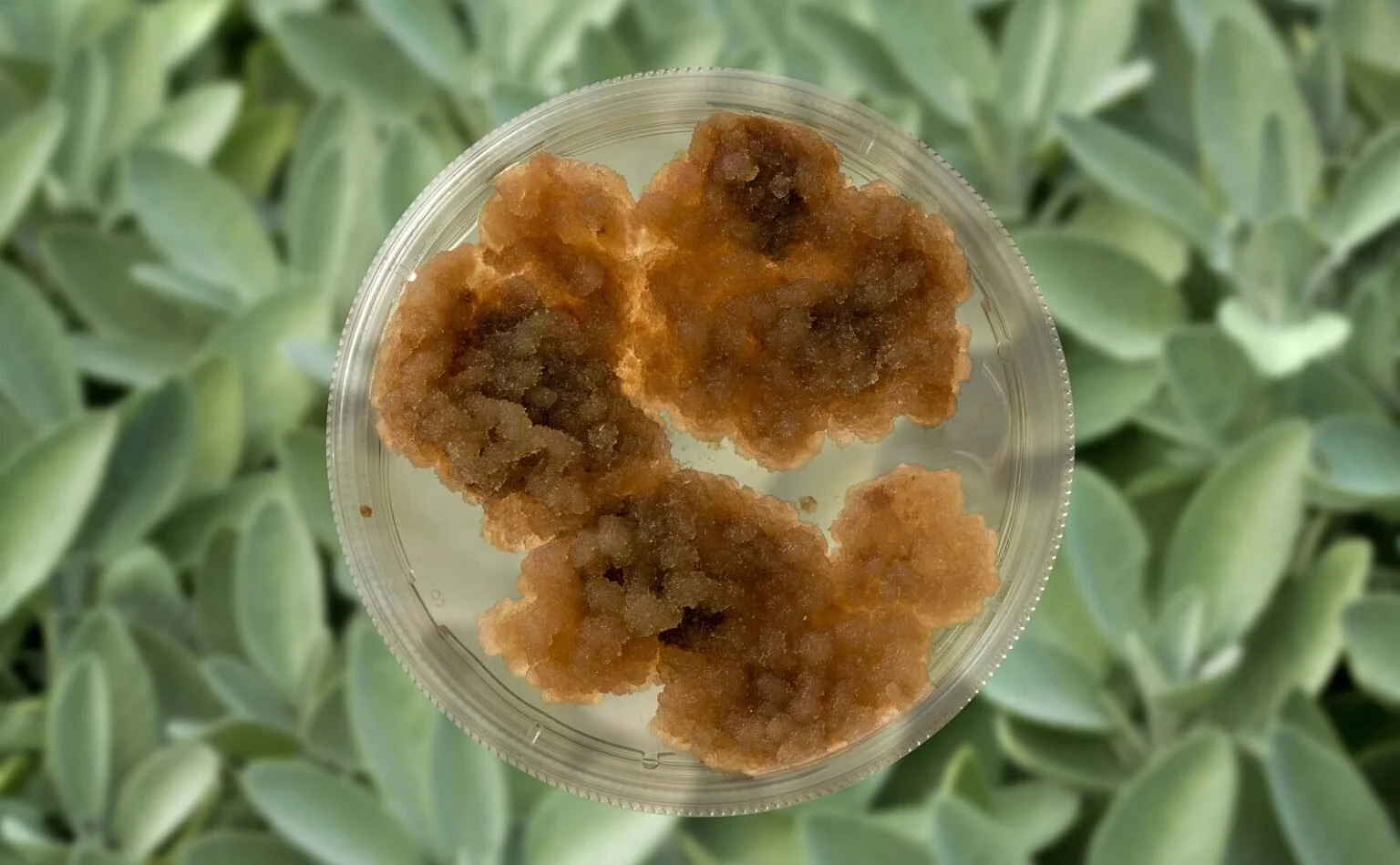
Image Source: Ayana Bio
Ayana and Zenfold are aiming to have the tanks running in the first half of 2027, and the pilot capabilities will be open to other plant cell companies. Jaksch also told Green Queen that Ayana is fundraising now. For founders building plant cell companies who need a 25,000-liter step before committing to 100,000 liters, one option may soon be a tank that used to grow Meati's mycelium in Colorado.
RECENT POSTS


Get the newsletter.
The funding rounds, founder moves, and industry shifts you need to know in plant-based and sustainability. Plus event invites and founder stories worth reading.