
Poppi's Founders Launch New Plant-Based Drink 'Jetty'
Jetty launched November 9 as an everyday hydration brand aimed at Gatorade, which puts the Ellsworths in competition with PepsiCo, the company that bought Poppi for $1.95 billion in 2025. The couple told CNBC they have learned from past mistakes, and the launch shows what changed, in the claims on the package and in the kind of money behind the company. For founders building plant-based and better-for-you brands, it is a second launch run with the first one's lessons in hand, in a hydration market that grows while sports drink volumes shrink.
Poppi agreed to pay $8.9 million to settle a class action alleging that the 2 grams of inulin in each can were too little to deliver the gut-health benefits its marketing promised, and the company denied wrongdoing. Fiber is back in its founders' new drink, Jetty, at 3 grams per serving, and this time three different claims lawyers signed off on the packaging, Allison Ellsworth told CNBC.
A drink that flips Gatorade's ratio
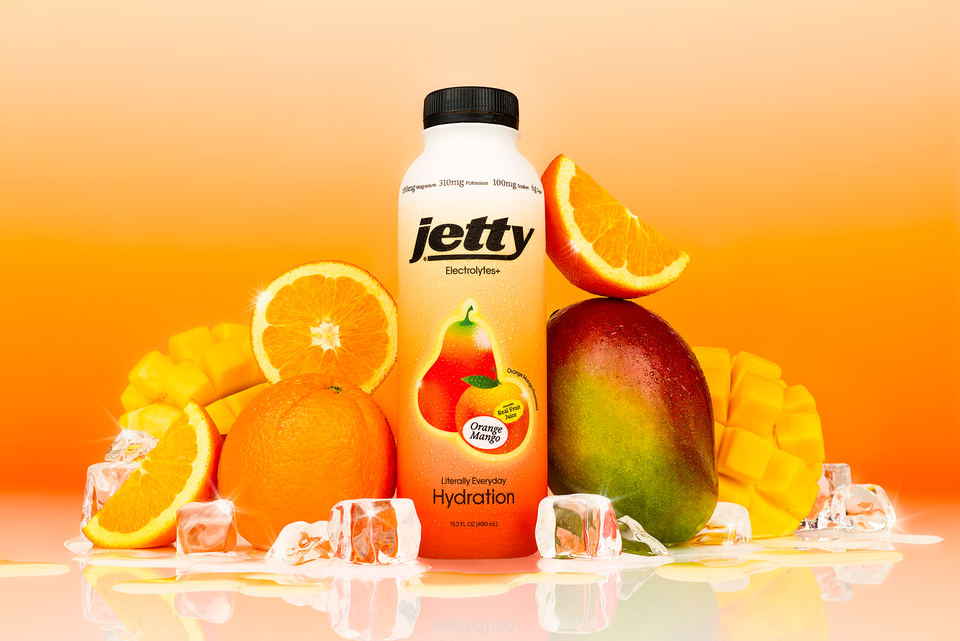
Jetty is on shelves at 466 Whole Foods stores and online at Target and Amazon, Retail Brew reported. It comes in five flavors, as $2.49 bottles of 15.2 ounces and as 15-gram powder packets. Each serving has 100 milligrams of sodium, 310 of potassium, and 100 of magnesium, along with B vitamins, 3 grams of fiber, and 6 grams of sugar, and the founders say it uses no artificial sweeteners or dyes. The Ellsworths are funding it with $2.5 million of their own money.
A 20-ounce Gatorade Thirst Quencher has about 270 milligrams of sodium and 80 of potassium, CNBC reported, so Gatorade carries more than three times as much sodium as potassium while Jetty carries about three times as much potassium as sodium. The bottles use coconut water concentrate, Inside Retail reported, and Ellsworth told NBC News the team formulated Jetty to be as close to coconut water as possible "without that crazy coconut water taste." Coconut water is growing on its own, too. Vita Coco's coconut water net sales rose 15% worldwide in the third quarter of 2026 and 24% year to date, and co-founder Michael Kirban called coconut water one of the fastest-growing beverage categories in the company's major markets.
Growth away from the gym
"I woke up this morning, I didn't run a marathon," Ellsworth told CNBC, describing who Jetty is for. Dollar sales of hydration and electrolyte products rose 20% to $2.6 billion in the 52 weeks ended October 4, according to SPINS data cited by CNBC, while unit sales of sports drinks fell 9.1% from 2022 to 2026, according to Numerator. About 44% of GLP-1 users in EY-Parthenon's third annual survey of current and former users report drinking more functional beverages, CNBC reported. PepsiCo is courting the same shopper and overhauled Gatorade in April to sell it for occasions like a morning start or an afternoon walk.
Celebrities on the cap table
The money is different this time. Jetty is self-funded and will likely raise in 2027, and Ellsworth told CNBC its investors will probably look less like traditional venture capitalists. Rather than a VC willing to invest $15 million, she would consider investors who can only write a $1 million check but have access to celebrities, a way of getting "access to talent on a cheaper level." When Jetty contacted hundreds of influencers about its launch, the most common response was a request to invest, she told BeautyMatter.
That structure keeps celebrities as investors and the founders in charge, and it arrives in a year when two celebrity-led hydration brands closed. Alex Cooper's Unwell Beverage Co., launched with Nestlé in 2025, is ending production, Bloomberg reported in August, and Lionel Messi's Mas+ shut down less than two years after its debut, according to Modern Retail. Jetty is now filling Target shelf space that Unwell reportedly left vacant.
One shelf beside Gatorade, one without it
At Target, Jetty will be merchandised in the sports drink section beside Gatorade. At Whole Foods, which doesn't carry Gatorade, it sits with the functional beverages, Ellsworth told Retail Brew. Jetty's first nationwide store launch is in a grocery chain where the drink it was built to challenge isn't for sale.
Poppi's results still bear on a payout to its founders. When PepsiCo bought the brand, it agreed to pay up to $300 million more if Poppi hit growth targets by the third quarter of 2027. Its estimate of that payout's fair value fell to about $12 million as of September 5, down from $278 million last December, according to a PepsiCo securities filing reported by Bloomberg. A PepsiCo spokesperson said Poppi's sales volume grew by double digits in the third quarter, and the Ellsworths declined to comment on the filing to CNBC. Any payout would go to Poppi's former owners, the founders among them, so the couple is now competing against a company that still carries a potential payout to them on its balance sheet.
The 2027 test
Most of what will decide Jetty lands in 2027. The brand is due in Target, Sprouts, and Walmart stores that year and will likely raise outside money, and PepsiCo's earnout window on Poppi closes in that year's third quarter. The number worth tracking is repeat purchase. SPINS puts the hydration category's repeat buyer rate at 62%, and Ellsworth told Retail Brew she feels more pressure to make a product people love than to land a second big exit. Jetty starts in 466 stores with a founding team retailers already know, and the second bottle is where the plan gets graded.
RECENT POSTS
Get the newsletter.
The funding rounds, founder moves, and industry shifts you need to know in plant-based and sustainability. Plus event invites and founder stories worth reading.