
The FDA Greenlights Animal-Free Casein
The FDA's first "no questions" letter for a precision-fermented casein covers one use, cheese analogs, and it arrives less than three months after the agency proposed ending the self-affirmed GRAS pathway, the route that lets companies sell an ingredient without telling the FDA why they consider it safe. Under that proposal, ingredient uses already addressed by a no questions letter would be exempt from the new notification requirement.
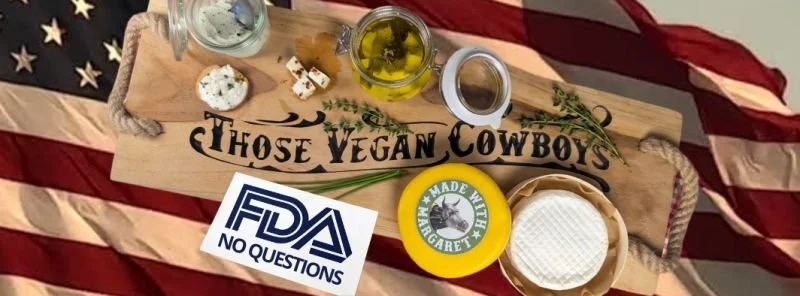
The letter went to Those Vegan Cowboys for Margaret's Finest and to Formo for Enhanced Casein, two companies that filed one safety dossier together and now sell their caseins separately. Both now hold the document that large food manufacturers generally wait for before moving a new ingredient from development into procurement, according to Formo. The category it opens is one where plant-based cheese held roughly 1% of US cheese dollar sales in 2025.
Source: Those Vegan Cowboys
What the letter covers
Those Vegan Cowboys announced on October 28 that Margaret's Finest is the first precision fermentation-derived casein to receive a no questions letter, following the FDA's review of its Generally Recognized as Safe (GRAS) notification. The notice, listed as GRN 1312, was filed jointly with Formo in December 2025 and grew out of a research collaboration the two companies announced in March 2024 and ended in 2025. Formo received the same letter for its own casein.
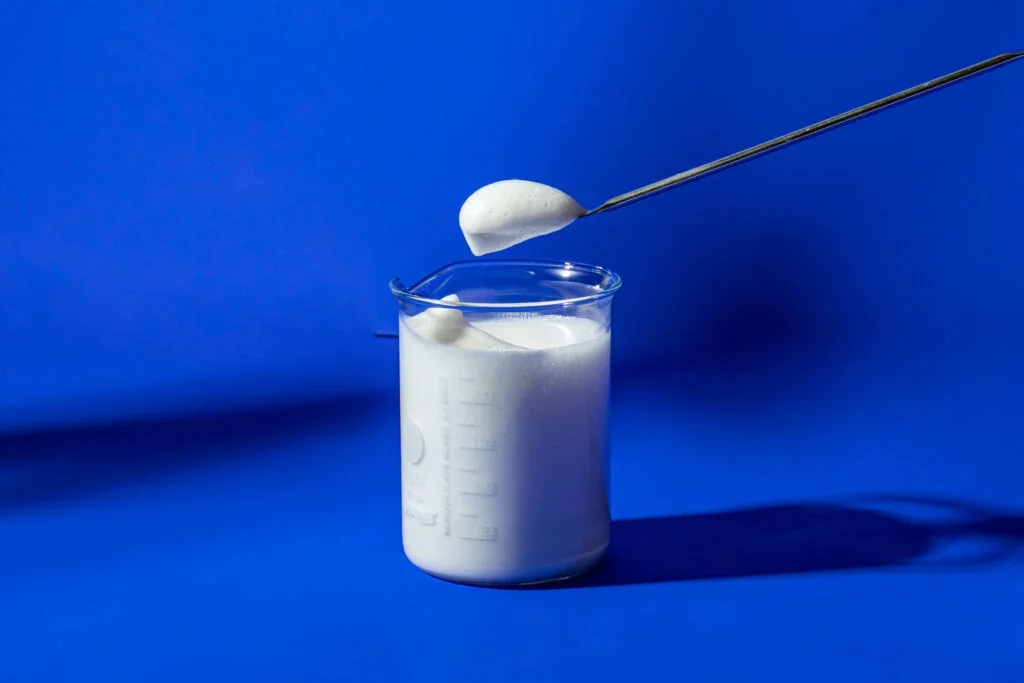
The letter covers cheese analog applications at up to 25 grams per 100 grams, and it excludes infant formula and products under USDA jurisdiction. The ingredient is a recombinant alpha-s1 casein, the fraction that makes up about 40% of the casein in cow's milk, and like the casein it replicates, it is a milk allergen. Formo describes the letter as the close of a GRAS review rather than a product approval. The carve-outs have precedent, since the FDA's 2020 letter on Perfect Day's fermented whey protein excluded the same two categories.
The company's announcement reaches past cheese, naming sports performance, health care, and coatings as next applications, and the company already works with XXL Nutrition on sports nutrition. Those uses sit outside the current letter. Formo plans a second GRAS notice built on the same safety dossier to cover a wider range of food and nutrition products.
Why the cowboys waited
When Those Vegan Cowboys signed a joint development agreement with German cheesemaker Hochland in January 2025, it expected to enter the US market that year. The startup had already self-affirmed its casein as GRAS, a step that lets it sell the ingredient in the US. CEO Hille van der Kaa told Green Queen in July that the FDA letter is optional but that many food companies value the reassurance, and with a leading industry partner handling the first launch, the company chose to wait for it.
Casein makers have split on the route. New Culture, which also makes alpha-s1 casein, self-affirmed GRAS in 2024 and in July described itself as "laser-focused" on mozzarella for pizzerias. Those Vegan Cowboys and Formo went through the FDA's voluntary notification program instead.
What the proposed GRAS rule would change
The FDA's proposed rule, published in the Federal Register on August 11, 2026, would require companies to notify the agency of the basis for any GRAS conclusion. Companies could still reach their own conclusions, but they would have to show their work to the FDA. Substances already on the market would get a one-year window after the rule takes effect to file a shorter submission. Once the FDA issues a no questions letter, others could rely on that notice if the identity, manufacturing process, and conditions of use are not significantly different. The agency would have 180 days to evaluate a filed notice, with two possible 90-day extensions.
The cheese gap
Cheese is where the letter points, and it is the second-largest conventional category in GFI's retail tracking, behind meat and seafood. Americans ate 41.9 pounds of cheese per person in 2024, matching the prior year's record, according to USDA Economic Research Service data. Plant-based cheese held roughly 1% of that market's dollar sales in 2025, while plant-based milk held 13% of milk dollar sales, according to the Good Food Institute. Casein makes up about 80% of the protein in dairy and is what lets cheese melt and stretch. That is the job this letter covers.
What reaches US shelves in 2027
Van der Kaa expects the first US consumer products made with Margaret's Finest to arrive in 2027 through existing partners, starting with cheese and sold under the partners' own brands. The company is preparing a European regulatory submission for 2027 and is taking application ideas from food companies in the EU and US at partnerships@thosevegancowboys.com. The next filing to watch is the second GRAS notice for broader uses that Formo has said it will submit, including the high-protein drinks it is pitching as a whey alternative. Formo, citing USDA market reports, puts whey protein isolate above $13 per pound, more than triple its early-2023 price. Founders whose ingredients rely on self-affirmed GRAS have until December 9, 2026, to comment on the FDA's proposal under docket FDA-2025-N-3262.
Source: Formo
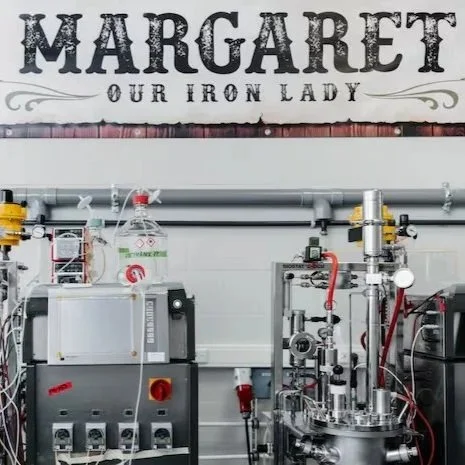
Margaret, the stainless-steel fermenter behind the brand name, was named after Margaret Thatcher, and the company turned Thatcher's "there is no alternative" into Margaret's motto, "I am the alternative." If the 2027 plan holds, that alternative will reach American shoppers inside someone else's cheese, under someone else's name.
RECENT POSTS

Get the newsletter.
The funding rounds, founder moves, and industry shifts you need to know in plant-based and sustainability. Plus event invites and founder stories worth reading.