Eco-Friendly Swaps for Earth Month That Make a Difference
Edited by The VEGPRENEUR Team
Small, intentional changes to your daily routine can have a bigger environmental impact than you might think.
Every April, conversations around sustainability ramp up as Earth Month encourages individuals and brands alike to rethink their impact. While the idea of “going green” can sometimes feel overwhelming, meaningful change doesn’t require a complete lifestyle overhaul. In fact, small, intentional swaps can collectively make a significant difference over time.

Rethink What’s on Your Plate
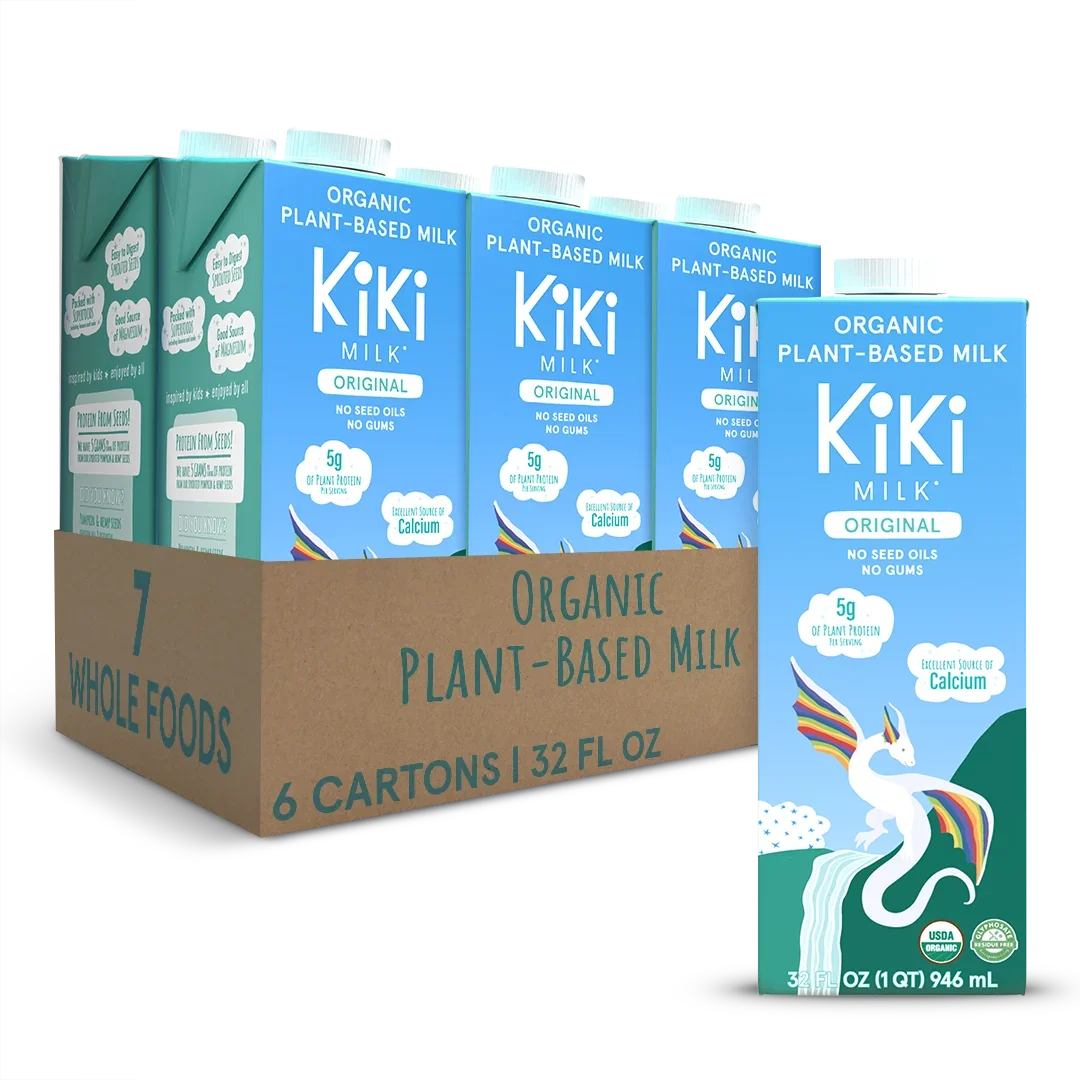
One of the most effective changes starts with food. Shifting toward more plant-based meals reduces greenhouse gas emissions, water usage, and land demand compared to animal agriculture. Even swapping a few meals per week for plant-based alternatives can have measurable environmental benefits. As the plant-based category continues to grow, options have become more accessible, making this one of the easiest and most impactful changes to adopt.
Swap Single-Use for Reusable
Single-use plastics remain one of the largest contributors to environmental pollution. Replacing items like plastic water bottles, grocery bags, and takeout containers with reusable alternatives is a simple but powerful shift. While it may seem small, consistent use of reusables can significantly reduce waste over time and help normalize more sustainable habits.
Choose Better Packaging
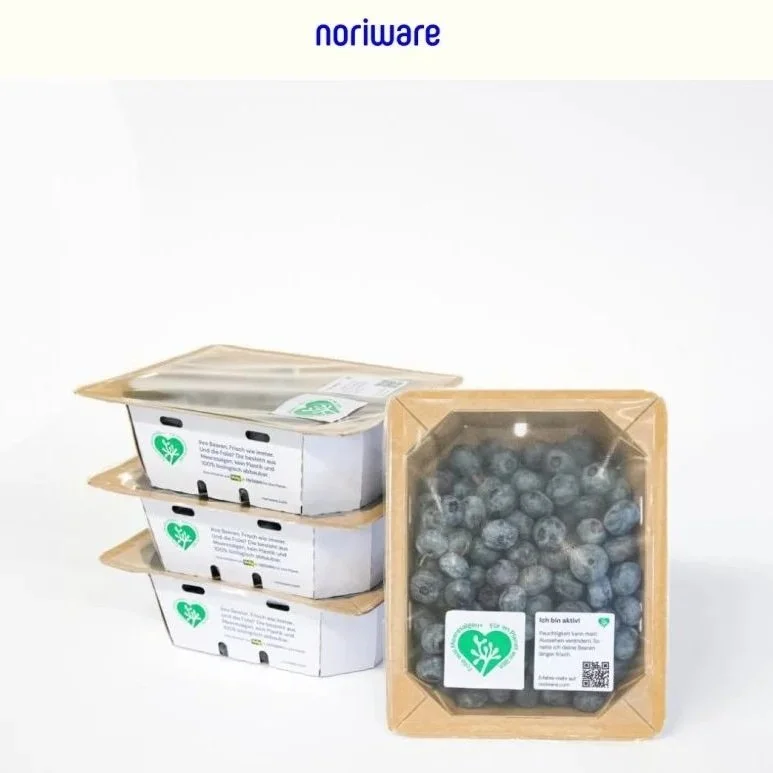
Packaging plays a major role in a product’s environmental footprint. Supporting brands that prioritize recyclable, compostable, or minimal packaging helps drive demand for better industry standards. Whether it’s opting for refillable beauty products or food items with reduced plastic, these decisions signal to companies that sustainability matters.
Support Mission-Driven Brands
Where consumers spend their money has an influence. Many emerging brands are building sustainability into their core business models, from ethical sourcing to carbon-conscious production. Supporting these companies not only reduces your personal footprint but also helps scale solutions that can make a broader impact across industries.
Cut Down on Food Waste
Food waste is often overlooked but contributes significantly to global emissions. Planning meals, properly storing groceries, and getting creative with leftovers are simple ways to reduce waste at home. Composting, where available, can further minimize the environmental impact of unused food.
Be More Intentional With Consumption
Perhaps the most underrated swap is simply buying less and choosing better. Fast consumption cycles, particularly in fashion and consumer goods, contribute heavily to environmental strain. Investing in quality items, supporting secondhand markets, and being more mindful about purchases can go a long way in reducing overall impact.
Earth Month serves as a reminder that sustainability isn’t about perfection; it’s about progress. While some of these swaps are easier and more accessible to make than others, it’s important that we all try, no matter what that swap might be. By making small, consistent swaps, individuals can collectively contribute to meaningful environmental change. And as consumer behavior continues to shift, these everyday decisions play a critical role in shaping a more sustainable future. Let’s work on making these changes one step at a time, not just this month, but every month.
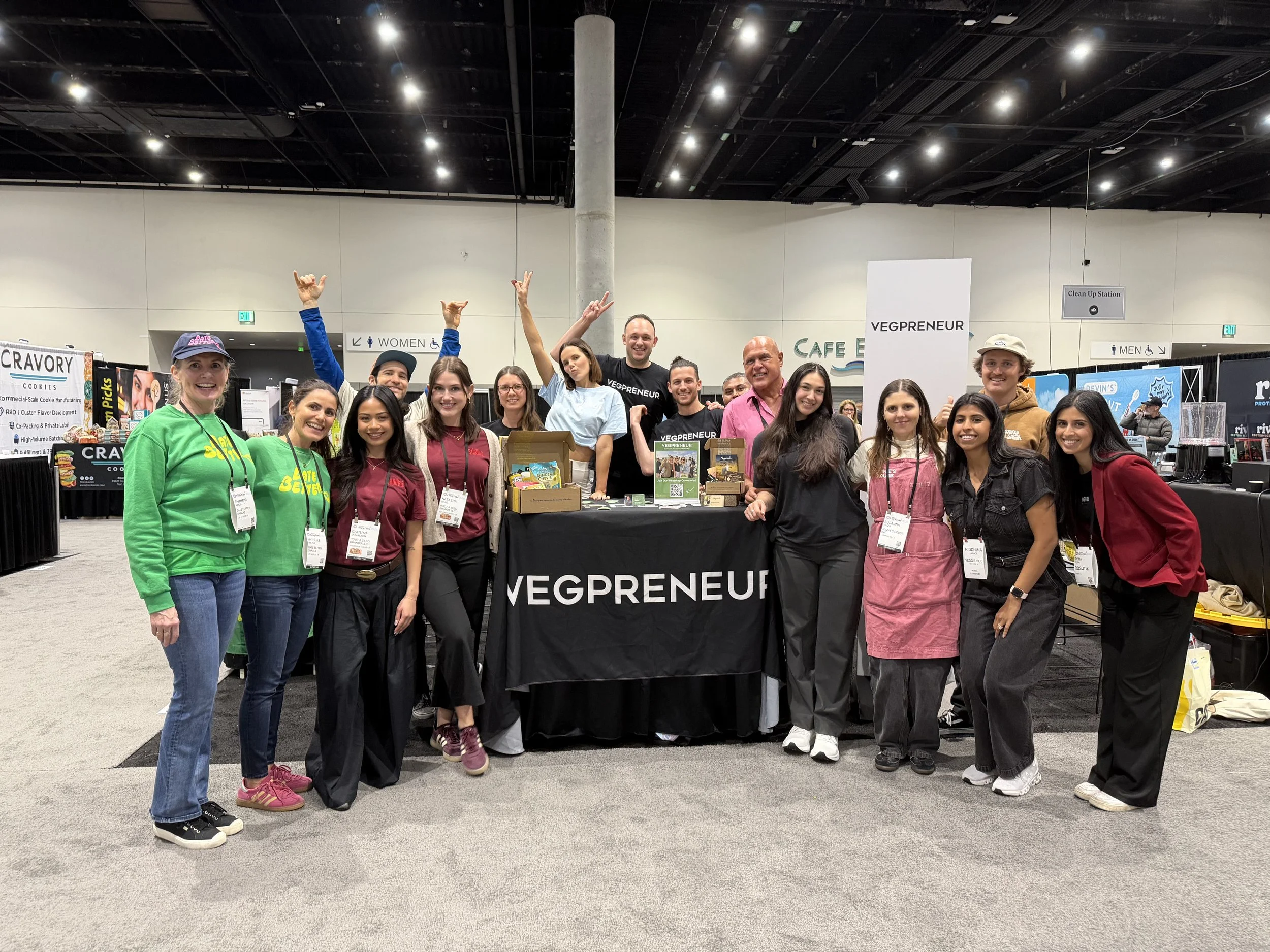
Looking to take your business to the next level?
Become a VEGPRENEUR member today to access industry-leading events, mentors, resources, and a global community of innovators!