The Three Words That Could Reignite Plant Based Growth
Edited by The VEGPRENEUR Team
A new messaging framework is gaining traction across health and advocacy circles that could have meaningful implications for how plant based brands, retailers, and foodservice operators communicate with mainstream consumers.
Its premise is straightforward. Stop asking people to “go vegan.” Stop leading with “eat plant-based.” Start encouraging people to prioritize plant protein.
This reframing moves the conversation away from identity and ideology and toward a topic consumers already understand and actively seek out in their diets: protein and health. The guide argues that language commonly used over the past decade now carries unintended baggage. “Vegan” is often perceived as extreme or identity-driven. “Plant-based” has become diluted and can include many products that consumers view as unhealthy. “Plant-based meat” can sound artificial and has been caught in negative media cycles. The result is fatigue and skepticism, even among shoppers who are open to changing how they eat.

By contrast, the phrase plant protein is familiar, inclusive, and nutrient-focused. It aligns with guidance from major health authorities and avoids the framing of foods as replacements, alternatives, or substitutes. Rather than asking consumers to give something up, it asks them to prioritize something better. This subtle shift in wording changes the tone of the conversation from sacrifice to optimization.
The guide provides an elevator pitch that is easy for consumers to grasp. Plant protein delivers protein alongside fiber, antioxidants, phytonutrients, healthier fats, and zero cholesterol. Diets rich in these foods are associated with a lower risk of heart disease, type 2 diabetes, and several cancers, and can support muscle strength on par with animal protein when intake is matched. This is framed as mainstream health guidance rather than moral or environmental messaging.
Importantly, the framework anticipates and addresses the questions that commonly stall adoption. It explains that eating a variety of plant proteins provides all essential amino acids. It clarifies that vitamin B12 is produced by microorganisms and is easily obtained through fortified foods or simple supplementation. It highlights that iron and zinc are widely available in legumes, tofu, nuts, seeds, and whole grains. It notes that soy is one of the most studied foods in the world and is supported by major health authorities. It also reframes concerns about processing by describing how structured plant proteins are created through heating, cooling, and pressure to shape plant proteins into familiar formats, often with advantages over red meat in terms of saturated fat and cholesterol.
One of the most compelling concepts introduced is the idea of the Protein Package. Protein is never consumed in isolation. Every protein source comes bundled with other nutrients. Beans and legumes come with fiber, folate, potassium, and low saturated fat. Beef and pork come with higher saturated fat and dietary cholesterol. Processed meats come with sodium, preservatives, and strong evidence linking frequent consumption to negative health outcomes. This lens helps consumers think beyond grams of protein and toward the full nutritional context of their choices.
To make this framework practical, the guide introduces a grading system from A to D based on the quality of the protein package. Beans, legumes, nuts, seeds, tofu, tempeh, and structured plant proteins such as burgers and nuggets fall into the highest category. Fish, chicken, turkey, eggs, and cottage cheese sit in the middle. Beef and pork are recommended to be limited. Bacon, sausage, and deli meats are recommended to be generally avoided. This structure provides an intuitive way for educators, retailers, and foodservice operators to communicate protein choices without relying on ideological language.
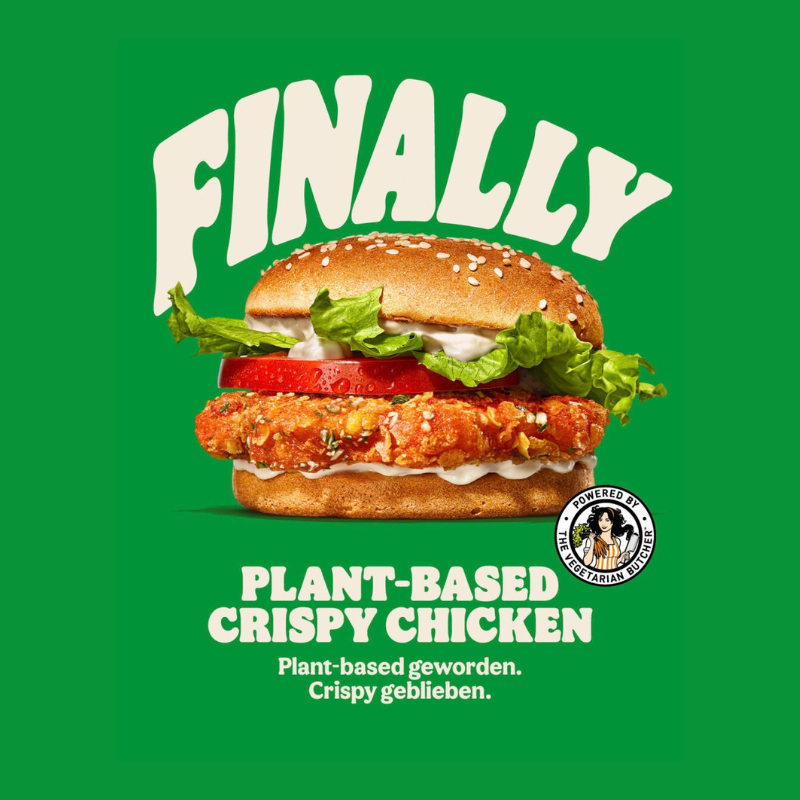
For brands and industry leaders, the application is immediate. The guide suggests swapping out phrases like “try plant-based” or “go vegan” with “prioritize plant protein.” It recommends referring to “plant protein burgers” or “plant protein nuggets” rather than “plant-based meat.” This language can be incorporated into packaging, websites, sales decks, menus, retail education materials, and media interviews. The goal is not to change the products, but to change how they are framed.
Perhaps most strategically, this approach creates a shared banner that health advocates, environmental advocates, and animal welfare advocates can all support without triggering consumer resistance. Nearly everyone can agree that prioritizing plant protein is a smart health practice. Far fewer people feel comfortable being told to adopt a specific identity label.
Consumer interest in plant-forward eating has not disappeared. It has evolved. Shoppers are increasingly focused on protein, gut health, longevity, and practical improvements to their diets. This messaging meets consumers where they are today rather than where the movement was a decade ago.
For an industry looking to reaccelerate growth and broaden its appeal, the shift from identity-driven language to nutrient-focused language may prove to be a critical next step. The call to action is simple, accessible, and widely relatable.
Prioritize plant protein.
Looking to take your business to the next level?
Become a VEGPRENEUR member today to access industry-leading events, mentors, resources, and a global community of innovators!