Precision Fermentation Is About To Disrupt Pet Food
Edited by The VEGPRENEUR Team
Hill’s Pet Nutrition and Bond Pet Foods have reached a major regulatory milestone that could bring precision-fermented animal proteins into mainstream pet food for the first time.
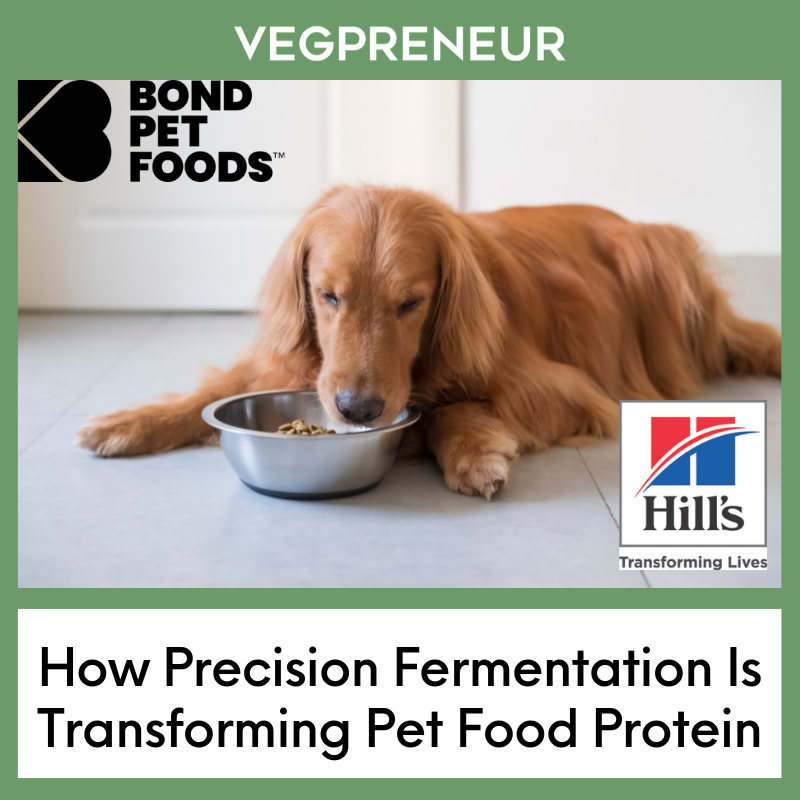
In a move that signals a major shift in how pet food protein is sourced and produced, Hill's Pet Nutrition, a long-standing leader in science-driven pet nutrition, and biotech innovator Bond Pet Foods have reached a regulatory milestone that could reshape the future of animal nutrition. The U.S. Food and Drug Administration’s (FDA) Center for Veterinary Medicine (CVM) has issued a Letter of No Objection for a precision-fermented animal protein ingredient, paving the way for commercial use in dog food.

A New Kind of Protein for Pets
The ingredient known as Lamb Protein Yeast represents the first precision-fermented animal protein to complete the FDA’s Generally Recognized as Safe (GRAS) notice review process for inclusion in adult dog food. This isn’t lab-grown meat in the traditional cell-cultured sense; rather, precision fermentation enables yeast to “brew” a protein with a complete amino acid profile that closely mirrors traditional lamb protein but without raising or slaughtering animals.
Unlike typical pet food protein sources derived from livestock farming, precision fermentation is a biotechnology platform already used in human food production (for vitamins, cheese cultures, and enzymes) and is now being adapted for next-generation pet nutrition.
Why This Matters
For pet food manufacturers and sustainability-savvy consumers alike, this milestone is significant for several reasons:
Expanded protein options: The successfully reviewed ingredient can be included up to 15% of finished dog foods, offering formulators a new high-quality protein building block.
Science-based acceptance: The FDA’s determination followed a six-month feeding study in dogs demonstrating safety and nutritional performance on par with traditional animal proteins.
Reduced environmental impact: Precision fermentation has the potential to lower the environmental footprint of protein production compared with conventional livestock rearing, aligning with sustainability goals that are increasingly important to pet owners and brands alike.
What’s Next
While approval currently covers use in healthy adult dog food, the companies have already completed feeding trials in cats and are preparing additional data for regulatory consideration in cats. This suggests further expansion into broader pet nutrition applications is on the horizon.
For entrepreneurs and innovators in the alternative protein ecosystem, especially those focused on sustainability and animal welfare, this development is worth watching. Precision fermentation may soon move beyond niche applications and into the mainstream of pet food formulation, just as it has in segments of human food production.
A Broader Industry Signal
This milestone also reflects wider industry trends where science-based innovation is increasingly viewed as a route to both nutritional adequacy and environmental responsibility. As demand grows for pet food that aligns with ethical and sustainability values, precision-fermented proteins could become an enduring part of the industry’s toolkit not just for dogs and cats, but for the future of protein writ large.
Looking to take your business to the next level?
Become a VEGPRENEUR member today to access industry-leading events, mentors, resources, and a global community of innovators!